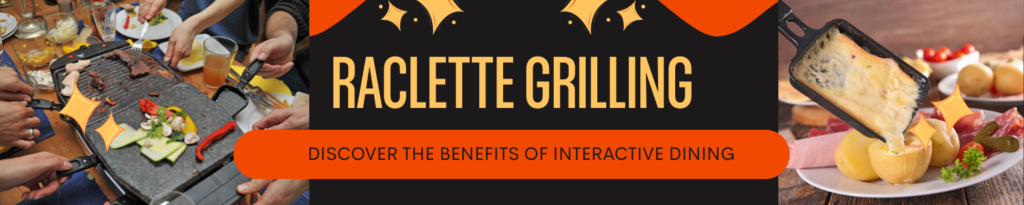

In our world of so many people and ideas competing for our attention, many people are starting to notice that the somewhat peaceful time we used to enjoy around meals is now hard to come by. Scrolling through phones while snacking, eating lunch at our desks, or zoning out in front of a digital sreen has become the new normal. And it seems, though our current hi-tech culture has us feeling connected in so many ways with so many devices, we’ve still managed to lose touch with the simple act of, and pleasure of, nourishing our bodies. After researchers set out to quantify what this disconnection is costing us, mindful eating has gained new significance. In this post, I’ll discuss the benefits of mindful eating and just how grilling on your tabletop using a raclette grill appliance helps foster this practice.
But first, what does “mindful eating” really encompass?
You may already know that “mindfulness” is the practice of focusing one’s attention and energy on the present moment with an accepting attitude and an open mindset. But, when applied to eating, this means paying deliberate attention to the sensory experience of consuming food: the taste, texture, aroma, and appearance, in addition to noticing hunger and fullness cues without judgment.
There are three categories of personal benefits we gain when we consciously practice mindful eating.
1. Physical Benefits: Weight Management and Healthier Eating Patterns
When it comes to physical health, mindful eating packs a serious punch. Out of 19 studies examining weight loss and mindful eating, 13 showed significant weight loss among participants using mindfulness-based interventions. Even more compelling? These approaches demonstrated real effectiveness in reducing weight and improving obesity-related eating behaviors in overweight individuals.
And we’re not talking about a quick fix. Research shows mindfulness-based eating can lead to sustained, long-term BMI reduction in both adults and children.
Mindful eating also addresses what researchers call “obesogenic eating behaviors”: those sneaky habits that contribute to weight gain in the first place. These include:
- Mindless eating (that autopilot mode where you look down and your plate is somehow empty before you can remember anything positive about the experience)
- External eating (eating because food is there or you have a break in your day, not because you’re actually hungry)
- Emotional eating (stress-eating your way through a tough day as a coping mechanism or a fidget activity)
- Decreased fullness awareness (missing those “I’m satisfied” signals entirely, perhaps to stop only at the visual cue of an empty bowl or plate.)
Mindful eating helps me with all of these, building greater awareness of hunger and fullness cues while cutting down on impulsive food choices. I’m still a big girl, at the moment, and have more pounds to lose, but my health and weight fluctuations always swing in a positive direction when I’m planning for mindful eating meals such as raclette grilling.
Though this hasn’t applied to me as much, for those struggling with binge eating specifically, the evidence is also encouraging. Mindfulness-based interventions have demonstrated medium-to-large effects in reducing binge eating severity. A comprehensive review of 54 studies conducted between 2014 and 2024 confirmed this as a legitimate approach for addressing binge eating issues. This kind of approach to eating works especially well when coupled with established therapies like Dialectical Behavior Therapy (DBT), Acceptance and Commitment Therapy (ACT), and Mindfulness-Based Stress Reduction (MBSR).
There’s also emerging research connecting mindful eating to better cardiometabolic health—meaning improvements in cardiovascular and metabolic outcomes that naturally come with better weight management.
2. Mental Benefits: Well-Being, Control, and Joy in Eating
Mindful eating isn’t just about awareness of what you don’t want do (overeating, stress-eating) but, rather, it’s about a conscious focus on what you can actvely experience while eating. It’s a shift of attention to the pleasure of eating. You actually take the time to slow down and notice the taste, the aromas, the texture, the warmth of the food. You connect with the satisfying sensation of filling your belly with tasty sustenance.
When you’re more aware, you also gain better control over unhealthy impulses which supports a feeling of can-do confidence over ‘wish I could’ regretful thoughts.
I’ve spoken before about how raclette grilling with others for a meal renew my sense of playfulness, and I think it’s because when we played as children, before the stresses of life crept into our thoughts and our calendars, we paid more attention to immediate sensations because it was fun. So, mindful eating helps me to feel younger, emotionally, which inspires joy.
3. Spiritual Benefits: Gratitude and Connection
As a Christian, I’ve found that one of the areas where I need the most growth is simply slowing down enough to give God proper gratitude. I have daily blessings in my life to be thankful for: access to good food, shelter, loving friends and family. All of these are deserving of proper acknowledgment.
Saying grace before a meal offers a small opportunity for expressing gratitude in prayer before a meal. But when meals are rushed, multitasked, or full of distractions, even that small moment can easily get skipped. When I plan for a slow-paced, sensory-focused meal, however, I create genuine space to both express and feel gratitude in the moment. I can take time to give thanks in prayer while the table is set and the grill is warming up. And after that, I can eat in a way that is slower as each sensory aspect of the meal is better appreciated at the slower pace than tabletop-grill-style eating focuses you on the task at hand: preparing, cooking and enjoying each bite.
How Raclette Grilling Helps You Practice Mindful Eating
Raclette meals are designed to elliminate distractions. You have to put away your phone and turn off the TV during a raclette meal because if you’re not cooking your food, you’re not eating it. The very activity of having to cook your food in smaller bites means you have to put attention on the food and how to best cook it exavtly how you prefer it be cooked.
Tabletop grilling as you eat naturally slows down the eating process. When you are waiting for food to cook and expect this as part of the rhythm of a raclette-style meal, many people adjust their eating pace to take smaller bites and chew thoroughly the way we were really designed to enjoy meals.
It engage so many of your senses. Raclette participants tend to notice the colors, smells, textures, and flavors of the food. You have an opportunity to see your meal sizzling on the grill and cheese oozing over your carefully-seasoned meat and veggies. You hear the sounds of the sizzle and feel the heat of the newly cooked morsels melting in your mouth. And of course, you’re tasting it, to see what you might do to improve the next few bites or recreate more of the same good flavor. Each couple of bites, you’re faced with deciding what to go for next as an active participant in your own satiation, by design.
- Slowing the process between bites allows you to check in with your hunger level. Instead of having a guilt goal to finish everything on your plate, pausing every few bites to contemplate whats next is built-in. This allows for many opportunities to assess your hunger level and adjust accordingly. Do you really need to put another piece of meat on the grill and piece of cheese in a broiler pan, or do you feel like you’re good to stop here? Any uncooked leftovers can simply go back into the fridge for another day, so you can make a guilt-ree stop when you’re ready.
- The habit of a raclette meal cultivates a practice of eating awareness naturally. You’ll notice the difference most during your first raclette experience. You might, at first, fight the desire to rush to cook and eat more than what the grill space allows for because that’s what you’ve conditioned yourself to with traditional sit-down, plated meals. It feels notably different. But, one you get the feel of the slower pace and recognize its feel-good benefits, the expectation of the slower experince directs your mind to be forgiving of the adjustment. You just take a breath and sit, taking all the sensory elements in. Conversation flows natually, as well, so the interpersonal experience feels more human than the automatic rush experience so many of us have grown accustomed to with our busy schedules and many distractions. It’s not just fuel now, your food is an activity, a pleasure-generating series of actions you are making a lot of small decisions to consciously direct. And other at the table are assisting you and you them to have the most fulfilling experience together.
- Saying grace is an easy add-on to the routine. The table sets the stage for appreciating a bounty of blessings. While waiting for the grill to heat up, with a table full of an abundance of meats, vegetables, cheeses and other delights, it feels quite natural and appropriate to begin a meal with a state of prayerful gratitude, celebrating access to the beautiful selection of food varieties before you and for the presence of loved ones to enjoy it with.
In conclusion, if you thought raclette grilling was all just about grilling indoors and adding melted cheese to your food, you may be pleasantly surprised at these other built-in benefits. While melted cheese over savory meats and breads and potatoes could also cause someone to pack on the pounds when eaten in excess, with mindful eating practices you can have your cheese, meat and carbs and eat them, too, just slower and by eating less quantity to feel the satisfied.
Pro-Tip: The size of your grill matters to keep the mindful-eating experience raclette was intended to be. Go for a smaller grill if the party is small in number, so as to avoid the impulse to overload the grill and speed up the cooking and eating experience – falling back on old plated-dinner food consumption habits. Relax into the slow and measured vibe; enjoy the sizzle, melt, and social features of the experience.