Hosting a raclette party is less about being a master chef and more about being a master of ceremonies. It is the ultimate low-stress, high-reward dinner party format. You aren’t stuck in the kitchen while your guests wait in the living room—the cooking happens right at the table, turning dinner into the activity. You are simply helping to curate the experince as the raclette party host.
A step-by-step guide to hosting a memorable raclette grill event.
Step 1: Size Your Grill Correctly
Before you send the invites, check your gear. A common mistake is buying a grill that matches your guest count exactly. You’ll want to consider the shape of your table and guest count when considering which raclette grill machine to use for your event.
For a Rectangular Table
The Golden Rule: For maximum comfort on a rectangular table, subtract two from the advertised pan (or tray) count of rectangular grills advertised to be for 6 or 8 person count.
Example: If you are hosting a party of six, use an 8-person grill. If you are hosting four, use a 6-person grill.
This will allow guests to have room enough to set down their beverage, scrape their cheese, and move their spatula without playing “elbows” with their neighbor. It also allows for more optimised grill top accessibility, avoiding the feeling of competing for grill access or having to be on alert to accommodate someone nearby for grill access.
Planning in advance for easy grill access helps to maintain the relaxed, playful vibe raclette parties are best known for.
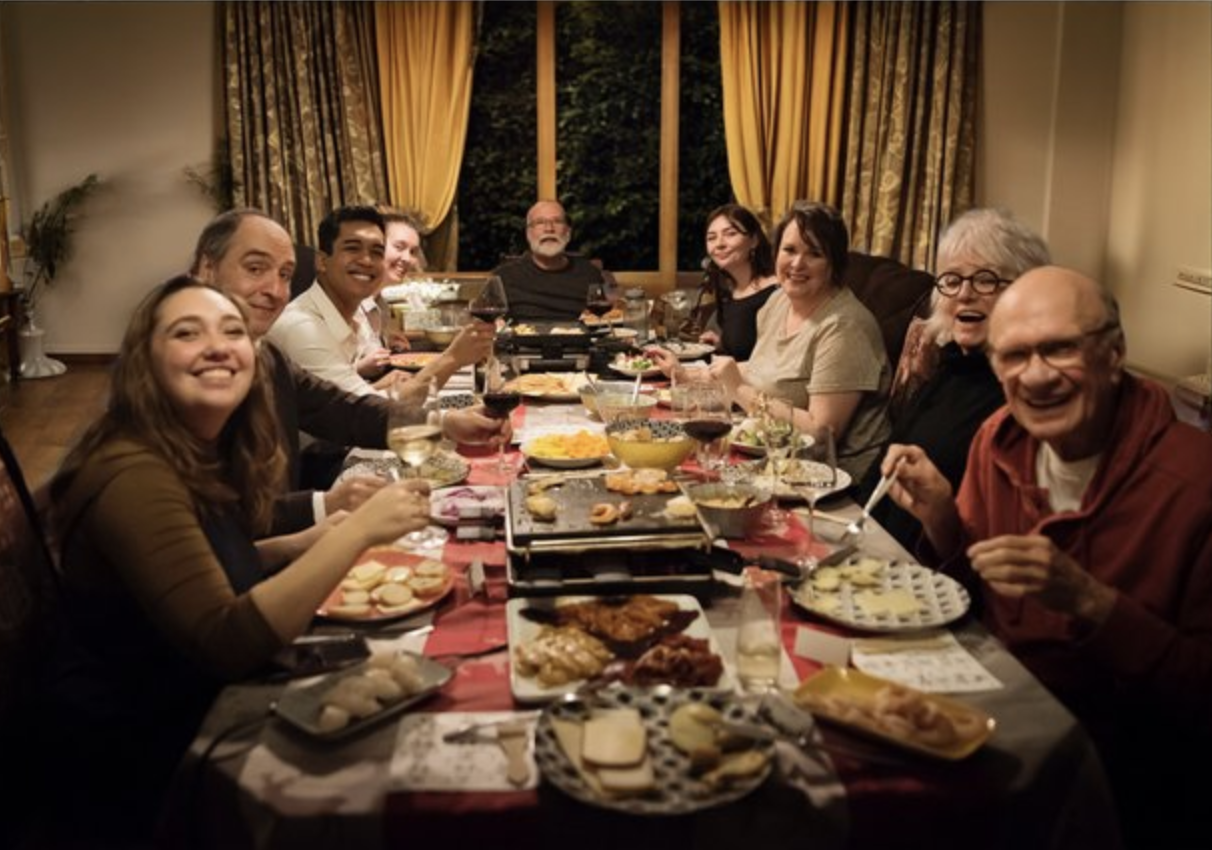
Pro Tip: For gatherings of 7 or more, consider running two separate grills on opposite ends of the table. This prevents a traffic jam at the grill top and keeps the conversation flowing. The grills can be different sizes (such as a party grill + a mini grill) , just as long as each guest has east grill top access.
For a Square or Round Table
For Square tables, a square, four-person / 4-pan or 4-tray grill design is the best shape.
For Round tables, a round, six-person / 4-pan/tray grill should work for a 4-6 person party due to the shape and open accessibility to the grill top surface.
Extention Cords and Floor Cord Cover
Once you have your grill, be sure you have any necessary extention cords suitable for plugging your 3-pronged grill plug into the closest electical outlet and have a safe way to secure any cord that might be a tripping hazard (by using a floor cord cover or cable protector that affixes to the floor.
Tip look for adhesive options best suitable for your floor surface so as not to damage your flooring during removal.
Step 2: Plan the Menu
The beauty of raclette is that the grocery list is simple, but the options are endless.
The Essentials (The Basics):
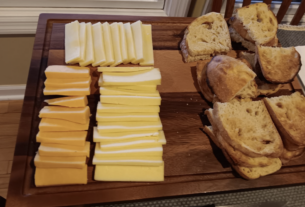
- The Cheese: Plan for about 6-8 ounces (200g) of cheese per person. Authentic Raclette du Valais is the gold standard, but Cheddar, Swiss, Gruyère, Fontina, or Emmental make excellent alternatives. Avoid extra sharp cheddars, aged cheese, or parmesan as these lack moisture and won’t melt smoothly.
- The Neutral Base: You’ll need a sturdy base to add other ingredient toppings onto, including all that gooey, melted cheese. Boiled potatoes (skins on) and/or toasted bread are common go-to staples. Small potatoes provide a creamy, neutral canvas, while baguette slices offer a satisfying crunch. You may consider providing both to cater to different preferences.
The Traditional Accompaniments:
If you are hosting a classic Swiss-style raclette, your meat selection would include a selection of dry cured charcuterie such as salami, ham and prosciutto. Be sure to also include traditional garnishes of cornichons (gherkins), cherry tomatoes, and pickled pearl onions. The acidity and crunch of the pickles cut through the richness of the melted cheese and serve to cleanse the palate between bites. You might also have a simple romaine letuce salad with balalmic vinagrette as a side.
The Modern Twist:
While the Swiss tradition is delicious, don’t feel locked into it. One of the best things about raclette is how adaptable it is to different flavor preferences. Once you have your cheese and your base (potatoes/bread), you can theme your toppings to match any cuisine. Here are some examples for inspiration;
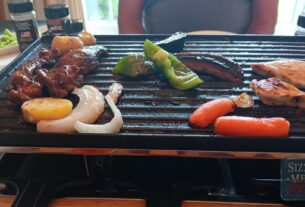
- American Comfort: Chicken, steak, portabellow mushrooms, onions, zuchini, peppers
- Italian: mozzarella cheese, sun-dried tomatoes, onions, olives, pre-cooked penne, marinara, sausage and pepperoni.
- Mediterranean: beef, lamb, chicken, shrimp, olives,
- Mexican: Provide seasoned ground beef, onion, corn, jalapeños, salsa, sourcream, and tortillas with shredded mexican blend cheese.
- Breakfast: Crack eggs into the grill trays with cheese, onions, mushrooms, and serve with toast points and bacon.
Light Dessert:
Since the grilled food and cheese is a bit heavy for digesion, I recommend a something light for dessert – something you could pick up at a store or whip up quickly the day before.
Suggestions:
- Cupcakes or Cake Pops
- Lemon Sorbet
- Chocolate-dipped strawberries & orange slices (pre-dipped & chilled)
- Lemon or Chocolate pudding
- Lemon Curd Tart
- Sugar Cookies with Sprinkles
- Lemon Bars
- Lemon Pound Cake
- Bread Pudding
- Peanut Butter Chocolate Chip No-Bake Cookies
Step 3: Planning the Table Setup
Since the grill takes up center stage, keep the rest of the table clutter-free but inviting.
Platters, Boards & Bowls: Prepare decorative plates or platters and/or cutting boards that allow you to display cheese slices, meats and vegetables in a way that showcases the many options and keeps things plasing to the eye. Use small bowls for garnish ingredients, spices and sauces. Consider incuding any utenstils needed for serving: spoons, forks, and tongs.
- The Tablecloth: You may wish to use a dark, textured runner or tablecloth or puchase a special silicone table pad to put the grill on that exceeds the footprint of the grill, allowing for a 4-5 inch boarder all around it. Melted cheese drip happens. Grill oil and grease splatters are also to be expected. You don’t want to ruin any heirloom tablecloth if you don’t have to..
- The Lighting: For evening events,since there will be a lot of heand reaching for the grilling action, candles on the table are not recommended. You could dim the overhead lights or get creative with hanging or battery-powered string lights to create a cozy evening atmosphere.
- Plates & Napkins: While you can use traditional 10-12” size dinner plates, a smaller 8-10 inch plates are a better choice for raclette as these best fit the slow cooking and eating of smaller portions during the meal. Even appetizer or tapa sized plates will do for plaement at each person’s table station as the table will mostly be filled by the ingredient platters, bowls and boards. Have plenty of napkins accessible to guests in case extra cleanup in needed.
- The Tools: In addition to traditional eating utensils, place both a set of wooden or plastic scrapers at each table setting. Most rackette grill kits include 1 scraper per pan that you can use. I recommend also purchasing small wooden tongs or chop sticks so guests can each have a way to move and fli their meat and veggies on the grill top.
Step 4: The Timeline
Don’t rush. The raclette experience is meant to be slow, even for the host.
Hours Before the Event:
- Slice your meats into thin strips and refridgerate (optional: marinate your meats)
- Wash & sllice all vegetables into thin slices, refridgerate.
- Slice any cheeses not already in slices, refridgerate
- Place tablecloth or silicome mat and placemat
- Secure the grill placement on the table and be sure all pans are in place in the broiler shelf
- implement safety measures for any extension cords.
- Set guest plates, scrapers, tongs and napkins
- Consider preparing a favorite music playlist and audio speakers for ambiance
- 30 Minutes Before the Event:
- Boil the potatoes, if serving potatoes, and once boiled, slice and add to a bowl.
10 Minutes Before the Event
(as guests arrive, you can serve them a drink and ask them to assit you in the last stages of prep)
- Cut and toast bread or baguettes, if serving these
- Take the sliced meat, eggies and cheeses out of ridge and place food on platters & boards
- Add any sauces and spices to bowls.
- Bring the food to the table and place them for easy reach or passing around
When Ready to Start
- Turn on and warm up the grill
- Prime the grill with a light brush of oil (olive oil, coconut oil, or avocado oil)
- While the grill is heting up, give guests a brief explanation on what’s available to use and enjoy on the table and how the grill and pans are part of the experience
- Invite guests to be creative and begin placing items on the grill
- Set expectations that the meal is a continuous cycle and that, as the meal progreses, it might become more communcal in nature: grilled food might be free for anyone to grab and replace as we go unless spoken for.
Step 5: Hosting Etiquette
Your job as host is to manage the flow, not the cooking. There’s a unique kind of freedom guests experince as they get to choose how much they want and how precisely they want it cooked and seasoned. Avoid any pushy suggestions on what smoeone should eat: let them cook!
- The “Scrape”: If you have first-timers, you may wish to demonstrate the proper “scrape” technique. Tilt the pan slightly, use your scraper tool to guide the cheese, llowing it to glide out of the tray and onto the bread nd veggie stack or potato in one smooth motion.
- Clean Up: The best part? Because guests cook their own food, there are minimal pots and pans. Some grill tops and pans are dishwasher safe, and most wipe clean easily with warm water and a soft cloth, brush or sponge. Avoid anything abrasive on aluminum grill tops or pans when cleaning to prolong duration and avoid scraping the black surface.
- Dessert: Introduce dessert for a sweet fininsh to your savory meal.
Savor the Moment
Remember: raclette is about more than grilled food with melted cheese; it’s about connection.
So pour the drinks, turn up the playlist, pass the platters as needed, and let the cheese flow.
You’ve got this.